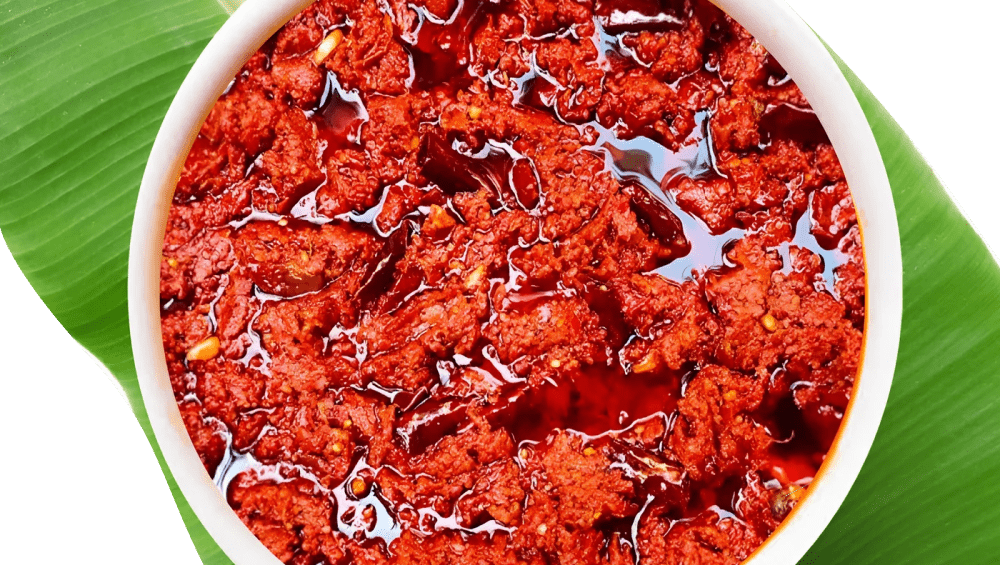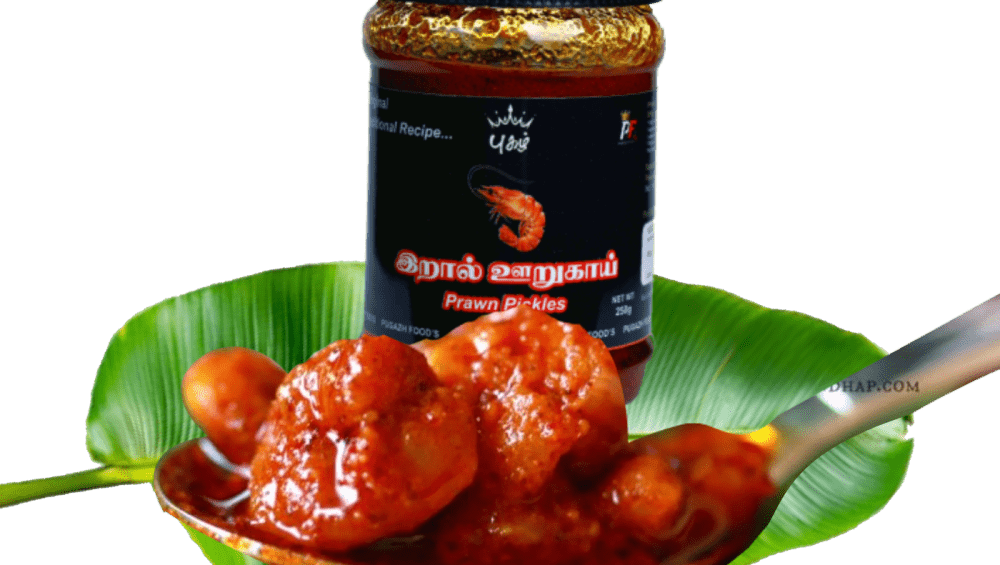
In Tamil Nadu, home pickles, known as “Urugaai” or “Oorugai,” are more than just condiments—they are a cherished part of the state’s culinary heritage. These pickles are a testament to the art of preservation, the richness of local ingredients, and the deep-rooted traditions of Tamil culture. Made with love and care, Tamil Nadu’s home pickles are known for their bold, tangy, and spicy flavors, which elevate even the simplest meals.
The History of Tamil Nadu Pickles
The tradition of pickling in Tamil Nadu dates back centuries. In a tropical climate where fresh produce was abundant but perishable, pickling became a practical way to preserve fruits, vegetables, and even seafood. The process of making pickles was passed down through generations, with each family adding its unique touch to the recipes.
Pickles were not just a way to preserve food but also a symbol of hospitality and love. They were often prepared in large quantities during summer when mangoes and lemons were in season. These pickles were stored in ceramic jars or glass bottles and used throughout the year, adding flavor to everyday meals.
The Taste of Tamil Nadu Home Pickles
Tamil Nadu pickles are known for their bold and complex flavors, achieved through a combination of spices, oil, and sun-drying. The taste profile is a perfect balance of:
- Spicy: From red chili powder and green chilies.
- Tangy: From tamarind, lemon, or raw mango.
- Savory: From mustard seeds, fenugreek, and asafoetida.
- Aromatic: From curry leaves, garlic, and ginger.
Each bite of a Tamil Nadu pickle is a burst of flavor that complements the simplicity of rice, curd rice, dosa, or idli.
Popular Home Pickles of Tamil Nadu
- Mango Pickle (Manga Urugaai):
- Made with raw mangoes, this is the most iconic Tamil Nadu pickle. Varieties include:
- Maavadu: Tiny, whole mangoes pickled in a spicy brine.
- Avakkai: Andhra-style mango pickle with a tangy and spicy flavor.
- Made with raw mangoes, this is the most iconic Tamil Nadu pickle. Varieties include:
- Lemon Pickle (Elumichai Urugaai):
- Tangy and spicy, made with whole lemons or lemon pieces. It is often enjoyed with curd rice.
- Garlic Pickle (Poondu Urugaai):
- A bold and pungent pickle made with garlic cloves, perfect for garlic lovers.
- Ginger Pickle (Inji Urugaai):
- Made with fresh ginger, this pickle is both spicy and medicinal.
- Mixed Vegetable Pickle:
- A combination of vegetables like carrot, beans, and cauliflower, pickled in a spicy masala.
- Nellikai (Gooseberry) Pickle:
- Made with amla (Indian gooseberry), this pickle is tangy and rich in Vitamin C.
- Vathal (Sun-Dried Pickles):
- Sun-dried vegetables like manathakkali (black nightshade) or sundakkai (turkey berry) are pickled and used in curries or as a side dish.
The Art of Making Tamil Nadu Pickles
The process of making pickles at home is both an art and a science. It involves:
- Selection of Ingredients: Fresh, high-quality ingredients are crucial.
- Sun-Drying: Ingredients are often sun-dried to remove moisture and enhance flavor.
- Marination: The ingredients are mixed with spices, salt, and oil, then stored in airtight containers.
- Aging: Pickles are left to mature for weeks or months, allowing the flavors to develop.
Cultural Significance
In Tamil Nadu, pickles are more than just food; they are a symbol of tradition, hospitality, and love. They are often prepared in large quantities during summer and stored for the year. Pickles are also a common gift during festivals, weddings, and family gatherings, symbolizing warmth and generosity.
Health Benefits
While Tamil Nadu pickles are known for their bold flavors, they also offer health benefits:
- Probiotics: Fermented pickles aid digestion.
- Antioxidants: Ingredients like garlic, ginger, and turmeric have medicinal properties.
- Preservation of Nutrients: Pickling preserves the nutrients in fruits and vegetables.